



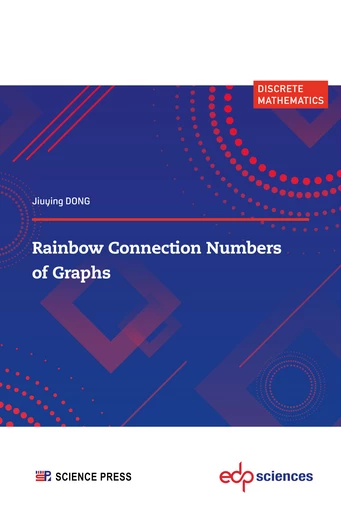
Rainbow Connection Numbers of Graphs
de
Jiuying DONG (auteur)
Collection : Hors collection
août 2026
Référencer ce produit sur votre site
Rainbow Connection Numbers of Graphs
Référencer ce produit sur votre site
Pour intégrer sur votre site, un lien avec le visuel et le titre de ce produit :
Rainbow Connection Numbers of Graphs
utilisez le code HTML suivant :
ou dirigez votre internaute sur ce lien :
Déjà affilié ? Connectez-vous pour bénéficier de votre code HTML avec identifiant personnel.
Vous souhaitez devenir affilié ? Contactez-nous.


Synthetic Biology Roadmap 2030
The Engine of Next-Generation Biomanufacturing
China Society of Biotechnology - Synthetic Biology Development Strategy Research Group -
0,00 € (gratuit)
Amphibians of China
Volume (II)

266,99 €
Amphibians of China
Volume (I)

278,99 €